SodaMelt Official Website › Blog › The Oat Study Behind The Claim
The Oat Study This Label's Claims Actually Rest On (It Isn't Straw)
Oat straw is first by weight on this panel, which makes it the single largest contributor to the 250 mg blend. Search for what oat straw does and most of what turns up is either about oat bran's cholesterol research or about a calming, wellbeing effect — and that second body of research was built on a different part of the plant, harvested at a different stage, prepared a different way. Here is which oat study actually exists, and which one this label's straw cannot borrow.
- “Oat straw” on a supplement label means the dried, mature stem left after the grain is harvested — a different plant part from oat bran (the grain's outer layer) and from “green oat” or “milky oat” extracts (the aerial plant harvested unripe).
- Oat bran's cholesterol research is about beta-glucan fibre concentrated in the grain, not in the straw.
- A randomized controlled trial behind recent “calming” and wellbeing marketing used a wild green oat extract from the unripe aerial plant, harvested at a different stage than dried straw.
- A chemical survey of oat straw specifically found its lipophilic compound content varies by harvest season, meaning even straw-to-straw the material is not standardized.
- None of the three literatures — beta-glucan, green-oat wellbeing, or straw chemistry — was run on a 250 mg blend shared with ten other ingredients, so none can be used to predict what this capsule does.
Three different oat materials, three different names
Avena sativa, the common oat, gets turned into at least three distinct commercial materials depending on which part of the plant is harvested and when:
| Material | What it is | Harvest stage | What it is mainly sold for |
|---|---|---|---|
| Oat bran | The outer layer of the grain kernel | Mature, harvested for grain | Beta-glucan fibre, cholesterol research |
| Oat straw | The dried stem and leaf left after the grain is threshed | Mature, a grain byproduct | Traditional mineral and “tonic” use; the ingredient on this label |
| Green oat / milky oat extract | The whole aerial plant, harvested while the grain is still soft and unripe | Unripe, harvested early | Recent wellbeing and mood-adjacent research |
All three share a botanical name, Avena sativa. None is interchangeable with either of the others in the research literature.
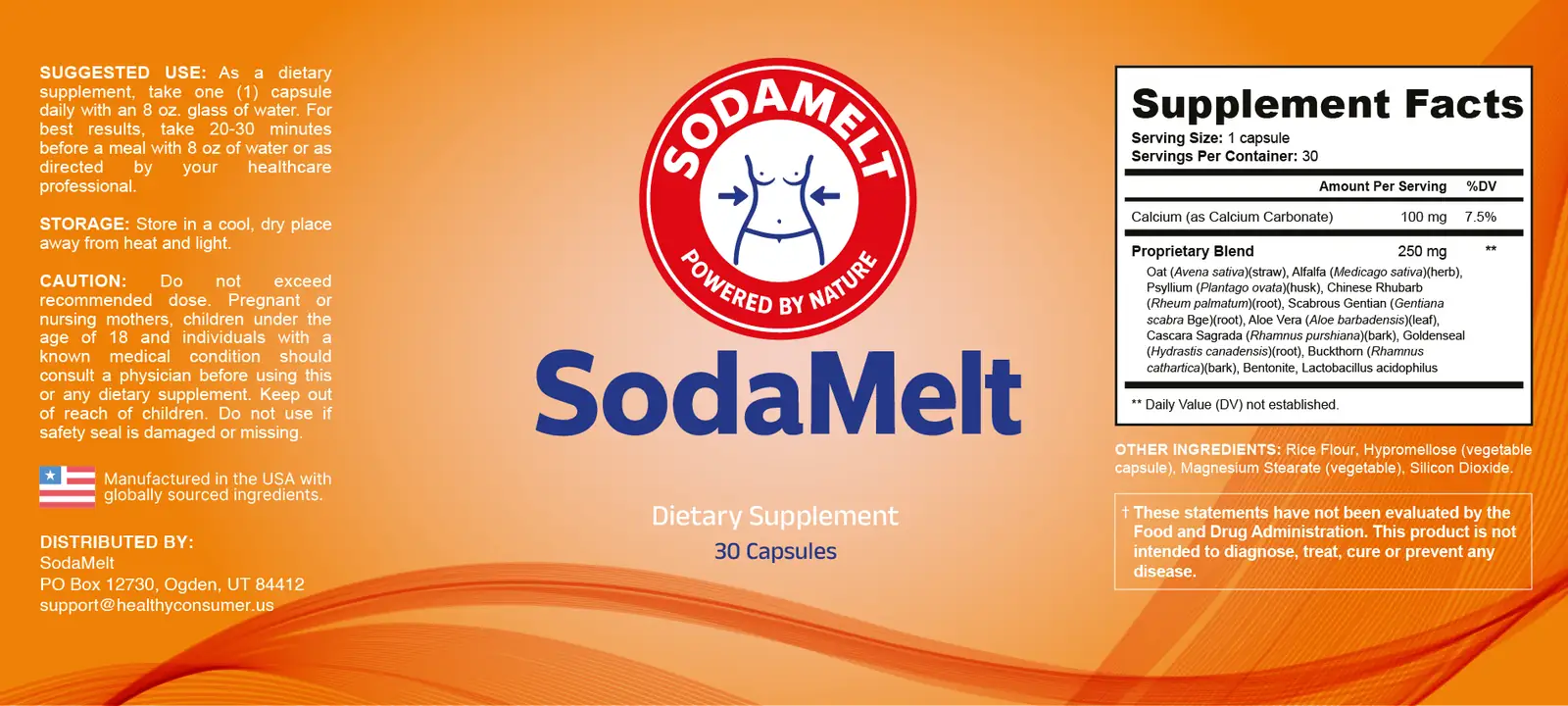
This label's Proprietary Blend row names “oat straw” specifically, at position one by weight. That single word settles which of the three materials is inside this capsule, and it is neither of the other two.
The beta-glucan research belongs to the grain
Oat's best-known clinical reputation is for lowering cholesterol, and that research is specifically about beta-glucan, a soluble fibre concentrated in the grain's outer layer, the bran. A meta-analysis of randomized controlled trials found oat beta-glucan produced a meaningful reduction in LDL cholesterol at doses around three grams of beta-glucan a day, the figure behind most oat-and-cholesterol marketing across the food and supplement industry.
Straw is the stem and leaf, harvested after the grain has been removed for milling into bran and other grain products. It is not the same material the beta-glucan trials used, and nothing about this label's “oat straw” row inherits that cholesterol research by association. A reader who sees “oat” on this panel and recalls oat bran's cholesterol reputation is thinking of a different part of the same plant.
The wellbeing research belongs to the green plant
A second, more recent body of oat research covers a completely different material: extracts of the wild green oat plant, harvested while still unripe, sometimes called milky oat or green oat extract. A 2024 randomized, double-blind, controlled trial tested a wild green oat extract (Avena sativa) as a dietary supplement aimed at improving wellness and wellbeing during smoking reduction or cessation (Friling et al., 2024). That is the kind of study behind the “calming” and nervous-system framing that circulates around oat ingredients in wellness marketing more broadly.
The plant part matters here specifically because it is stated in the study's own name for its material: a wild green oat extract, harvested unripe. That is explicitly not dried, mature straw. Chemically, an unripe green plant and a dried mature stem are different materials with different compound profiles, harvested for different purposes long before either becomes a supplement ingredient. A trial on one cannot be read as evidence for the other.
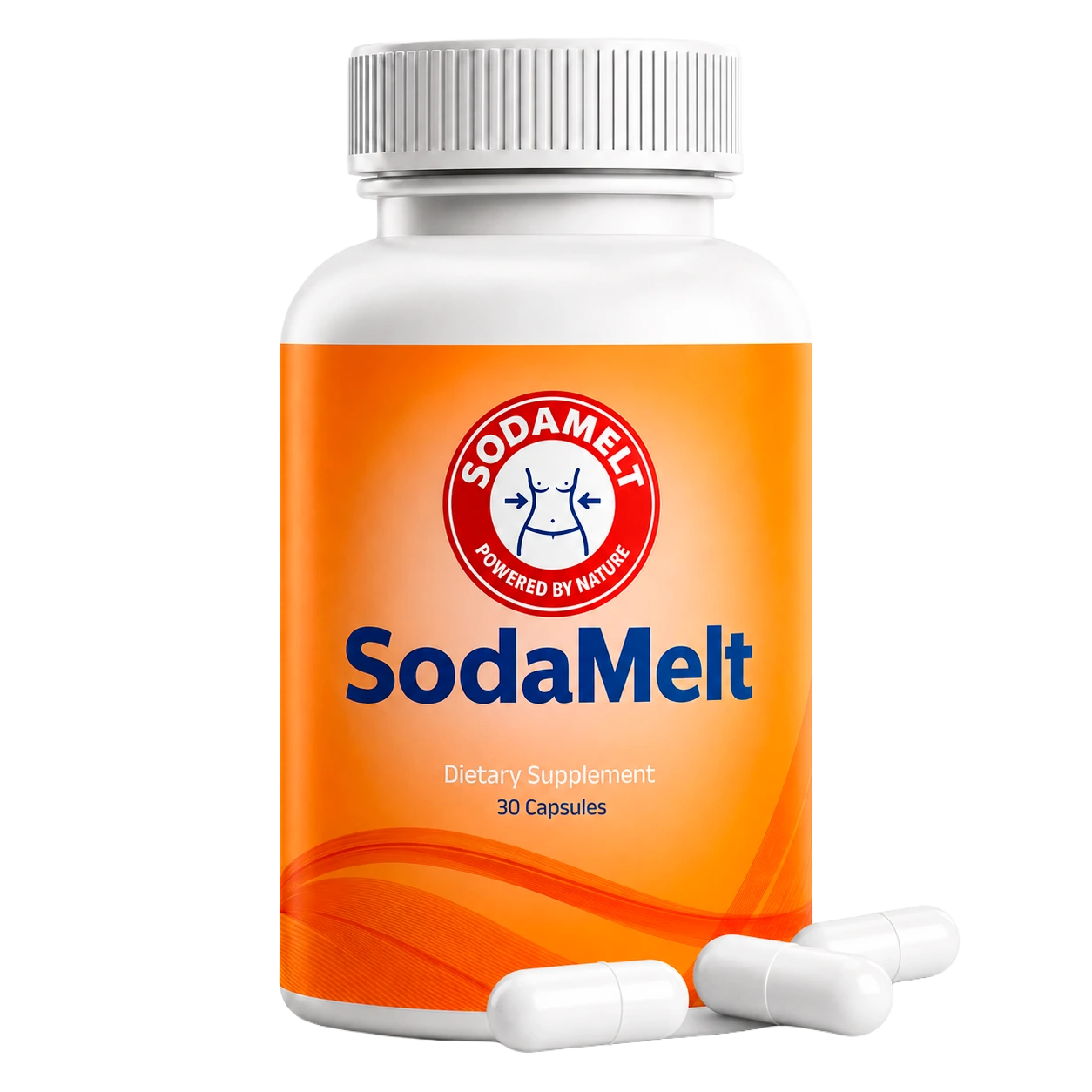
See the SodaMelt panel exactly as printed
Two rows, eleven names inside one of them, including the specific plant part named first by weight.
One bottle $89 · six bottles $294 · 60-day money-back guarantee
Order SodaMelt On The Official WebsiteOne capsule a day · 30 per bottle · lot SOD-26/SO-2224
What has actually been studied about the straw itself
Research specifically on oat straw as a material exists, but it is chemistry-focused rather than clinical. A comprehensive chemical study measured the lipophilic (fat-soluble) compound content of oat straw across different harvest seasons and found meaningful seasonal variability in that content (Marques et al., 2024). That paper is valuable for a narrow, specific reason: it establishes that oat straw is not even chemically uniform from one harvest to the next, which means a “standardized” straw extract would need to specify how that standardization was achieved and against which compound.
What that study does not do is test any clinical outcome in humans. It characterizes the material; it does not test what a person who swallows it experiences. Between the beta-glucan literature (wrong plant part), the green-oat literature (wrong harvest stage) and the straw chemistry literature (no clinical outcome), there is no published human trial this website can point to that tested dried oat straw itself for any of the effects associated with oat ingredients generally.
That gap is worth sitting with for a moment, because it is easy to read past. It is not that oat straw has been studied and found ineffective — that would be a different, resolved question. It is that the specific material named on this label, dried straw rather than bran or green aerial plant, has not been the subject of a controlled human trial this website could locate through PubMed, at any dose, for any outcome. The chemistry paper establishes what the material contains and that this content shifts by season; it stops well short of establishing what that content does inside a person who consumes it daily.
Why oat straw's position doesn't rescue the comparison
Oat straw is first by weight in this blend, plausibly the single largest of the eleven botanicals. A reader might reasonably expect that the largest ingredient is also the one with the strongest evidence behind it. On this label, position and evidence quality point in different directions: the largest-by-weight ingredient is also the one whose specific material, dried straw, has no clinical trial of its own, only chemistry data and studies on other parts or preparations of the same species.
That is worth sitting with plainly. A large amount of an under-studied material is not automatically better or worse than a small amount of a well-studied one; it simply means the weight order on this panel is not a reliable guide to which rows carry the most established science, a point this site's post on what a proprietary blend hides makes about the panel as a whole.
The traditional case for straw specifically
Oat straw does have its own, separate traditional rationale, distinct from both the beta-glucan and green-oat literatures: it is traditionally valued as a mineral-rich material, used historically in infusions and teas alongside other mineral-forward herbs such as nettle and horsetail. That tradition predates and is independent of the modern clinical research built on the other two oat materials, and it is worth naming honestly rather than folding into either of them.
The difficulty is that a traditional mineral-tonic rationale and a randomized controlled trial are different kinds of evidence, and this website does not have a placebo-controlled human trial of dried oat straw to report for that traditional use, only the chemistry survey cited above and the tradition itself. That is a real category of evidence, and it is a different, weaker category than the beta-glucan and green-oat research this section has spent most of its length distinguishing straw from.
What this is not an accusation of
- Not a claim that oat straw does nothing. Absence of a clinical trial on the specific material is not evidence of no effect; it is an absence of evidence either way.
- Not a claim that this label is deceptive. It names “oat straw” accurately and specifically, which is more precise than many panels manage.
- Not a claim that oat research in general is weak. The beta-glucan and green-oat literatures are both real, controlled, published research; they simply describe different plant materials than the one on this label.
- Not a claim that plant-part precision is common. Many supplement labels across the wider market use vaguer language than “oat straw,” which makes this panel's specificity on this one point worth crediting even while the underlying research gap remains real.
The practical takeaway is narrower and more useful than any of those: when oat-related marketing cites a study, the first question worth asking is which oat material that study actually used, because on the evidence available, the three are not interchangeable.
Three questions for any oat-based claim
- Which plant part does the cited study actually name? Bran, straw and the green aerial plant are three different raw materials sharing one botanical name.
- Does the label's own ingredient match that plant part? A cholesterol claim resting on beta-glucan research needs bran or a standardized beta-glucan extract, not straw.
- Is the harvest stage specified? “Green,” “milky” or “wild” oat extracts are harvested unripe; straw, by definition, is harvested after the grain matures.
Oat straw is not the only row on this panel where the plant-part or material question turns out to matter more than the ingredient name alone suggests; the mined clay at position ten, covered in this site's piece on bentonite, raises a related but distinct version of the same problem.
Run against this label, oat straw at position one answers the first two questions honestly: it names its plant part, and it does not claim to be bran. What it cannot do is borrow either of the other two literatures' results, which is the point this whole article has worked to make specific rather than leaving it as a general caution. A precise ingredient name is a genuine strength of this label; it just is not, by itself, a substitute for a trial run on the exact material named.
References
- Friling M, García-Muñoz AM, Lavie A, Pérez-Piñero S, Victoria-Montesinos D, López-Román FJ, García-Guillén AI, Muñoz-Carrillo JC, Cánovas F, Ivanir E, Jalanka J. Dietary supplementation with a wild green oat extract (Avena sativa L.) to improve wellness and wellbeing during smoking reduction or cessation: a randomized double-blind controlled study. Front Nutr. 2024;11:1405156. PMID 38962436. https://pubmed.ncbi.nlm.nih.gov/38962436/
- Marques G, Gutiérrez A, Barro F, Del Río JC, Rencoret J. Seasonal Variability of Lipophilic Compounds in Oat (Avena sativa L.) Straw: A Comprehensive Chemical Study. J Agric Food Chem. 2024;72(36):19891-19903. PMID 39225266. https://pubmed.ncbi.nlm.nih.gov/39225266/